CBD Roll-Ons: A Quick Guide to Targeted Relief
CBD roll-ons deliver fast, targeted relief for sore muscles and joints. Here's what works, what to avoid, and what the industry got wrong.
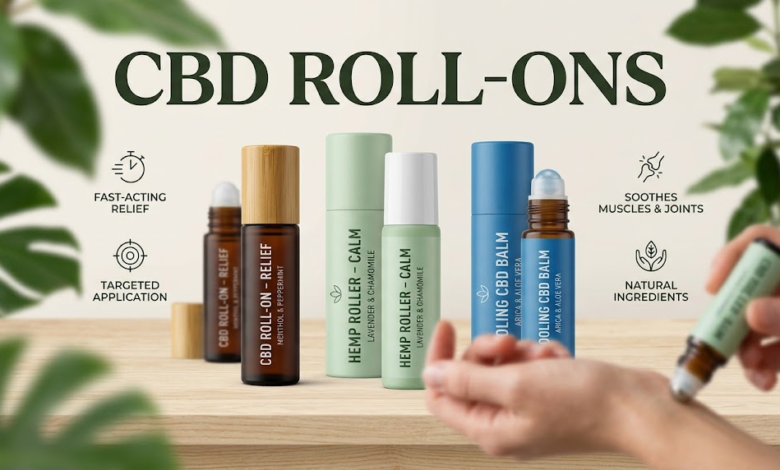
CBD roll-ons have become one of the most popular ways to apply cannabidiol directly to sore spots without swallowing an oil or chewing a gummy. You twist the cap, glide the rollerball over your neck, knees, or lower back, and within minutes you feel a cooling or warming sensation take over. For a lot of people, that’s enough to make it part of their daily routine.
But the CBD industry has a messy past, and pretending otherwise does readers a disservice. Between 2019 and 2021, federal regulators caught dozens of companies making claims that had no scientific backing, some of them dangerous. Bottles were sold with almost no CBD in them. Products marketed as “pure hemp” turned out to contain synthetic cannabinoids never tested for topical use. That history matters, because it shapes how you should shop today.
This guide covers how CBD roll-ons actually work on your skin, what they can realistically do (and what they can’t), the regulatory mess that nearly derailed the industry, and a practical checklist for choosing a product that’s actually worth your money. No hype, no miracle claims, just a clear look at a product category that’s genuinely useful when you buy smart.
What Is a CBD Roll-On, Exactly?
A CBD roll-on is a topical product, usually a liquid, gel, or semi-solid formula, packaged in a bottle with a rollerball applicator built into the cap. Instead of rubbing in a cream with your fingers, you roll the product directly onto your skin.
Most formulas combine CBD (cannabidiol, a non-intoxicating compound extracted from hemp) with other active ingredients such as:
- Menthol or camphor for a cooling sensation
- Arnica extract, traditionally used for bruising and swelling
- Essential oils like eucalyptus or peppermint for scent and a mild tingling effect
- Turmeric or curcumin extract, sometimes included for its anti-inflammatory reputation
The rollerball design isn’t just a gimmick. It keeps your hands clean, controls how much product you apply, and makes it easy to target a small, specific area like a wrist, temple, or knee. That’s the core appeal of targeted relief: rather than dosing your whole body the way an oral capsule or tincture does, you’re putting the product exactly where it hurts.
How CBD Roll-Ons Work on the Skin
To understand whether a CBD roll-on can help, it’s worth knowing a little about what’s happening underneath your skin.

Your body has a network of receptors called the endocannabinoid system (ECS), which plays a role in regulating pain signals, inflammation, and even mood. Some of these receptors, particularly CB2 receptors, are present in skin tissue and in the peripheral nerves close to the surface.
When you apply a CBD topical, the cannabidiol doesn’t typically enter your bloodstream in meaningful amounts. Instead, it interacts locally with receptors in the skin and underlying tissue. This is different from an oral CBD product, which passes through your digestive system and liver before reaching the rest of your body.
Here’s a simplified breakdown of what’s believed to happen:
- CBD is absorbed through the outer layers of skin and reaches nearby nerve endings and immune cells.
- It interacts with local receptors, which may help dial down the release of inflammatory compounds.
- Other ingredients add their own effects, like menthol’s cooling sensation, which can distract the brain from pain signals (a phenomenon called counter-irritation).
- The combined effect is often described by users as reduced stiffness, less swelling, and a general sense of ease in the treated area.
It’s important to be honest about the evidence here. A review published in the journal Antioxidants has pointed to CBD’s anti-inflammatory properties in laboratory and animal studies, but large-scale human trials specifically on topical CBD for pain are still limited. Most of what we know about topical CBD comes from smaller studies, anecdotal reports, and research on CBD’s broader anti-inflammatory mechanisms.
What CBD Roll-Ons Can (and Can’t) Do
This is where a lot of marketing goes wrong, so let’s separate realistic expectations from wishful thinking.
What a quality CBD roll-on may reasonably help with:
- Temporary relief from muscle soreness after exercise
- Reduced perception of stiffness in joints affected by everyday wear and tear
- A cooling or warming sensation that provides short-term comfort
- A non-invasive option for people who want to avoid oral medications for minor aches
What it is not proven to do:
- Cure arthritis, cancer, or any chronic disease
- Replace prescribed pain medication for moderate to severe pain
- Provide guaranteed relief for every user (individual response varies widely)
- Work instantly or permanently after a single application
If a product page promises it will “eliminate pain for good” or “cure inflammation,” treat that as a red flag rather than a selling point. Genuine relief from a CBD roll-on is usually modest, temporary, and most noticeable for mild, localized discomfort, not serious medical conditions.
The Real History: How Bad Actors Nearly Tanked the CBD Industry
Understanding the past mistakes of the CBD market isn’t just trivia. It explains why third-party testing and clear labeling matter so much today.
The FTC’s Crackdown on False Health Claims
In December 2020, the Federal Trade Commission announced what it called its first major law enforcement action against deceptive CBD marketing. The FTC took action against six sellers of CBD-containing products for allegedly making a wide range of scientifically unsupported claims about their ability to treat serious health conditions, including cancer, heart disease, hypertension, and Alzheimer’s disease.
Some of the specific claims investigated were startling. Regulators alleged that one company claimed CBD could treat, prevent, or mitigate artery blockage, cancer, glaucoma, autism, and schizophrenia, and falsely stated that the U.S. government had confirmed these health benefits. Another company was accused of claiming its products could treat cancer-related symptoms, substance abuse, and AIDS. A third group of sellers allegedly marketed CBD as a treatment for Alzheimer’s disease, arthritis, and autoimmune disease.
The FTC didn’t just issue warnings. The companies involved were required to stop making the unsupported health claims immediately, pay monetary judgments to the agency, and provide scientific evidence for any future health claims they make about CBD or other products. You can read the full announcement directly on the Federal Trade Commission’s website.
The FDA’s Warnings About Mislabeling and Contamination
Around the same period, the FDA ran its own enforcement effort. In November 2019, the agency issued warning letters to 15 companies illegally marketing CBD products, alongside a consumer update outlining serious concerns. Legal analysis of that update noted that the FDA flagged potential liver injury, drug interactions, and inconsistent CBD concentrations in tested products, meaning many bottles didn’t contain anywhere near the amount of CBD advertised on the label.
This is the uncomfortable part of the CBD story: independent lab testing during this period repeatedly found products with little to no actual CBD, some contaminated with pesticides or heavy metals, and others containing synthetic additives never disclosed on the packaging. A handful of sellers even mislabeled products to disguise higher-than-legal THC content, which created real legal exposure for consumers in states where THC remained restricted.
The takeaway isn’t that CBD roll-ons are inherently unsafe. It’s that the market spent several years with almost no oversight, and some companies took full advantage of that gap. The FDA’s official position and ongoing regulatory guidance are outlined on its cannabis and CBD regulation page, which is worth a read before buying from an unfamiliar brand.
Is It Legal? Untangling the Confusion
Federal law, under the 2018 Farm Bill, legalized hemp-derived CBD products containing no more than 0.3% THC by dry weight. That’s why most CBD roll-ons sold online and in retail stores are technically legal at the federal level.
That said, a few practical realities complicate things:
- State laws vary. A handful of states still restrict or heavily regulate hemp-derived CBD, so it’s worth checking local rules before ordering.
- The FDA has not approved CBD as a food additive or dietary supplement, which is why reputable brands avoid making disease-related claims on their labels.
- THC content isn’t always accurate. Products that test above the legal 0.3% limit, whether due to sloppy manufacturing or intentional mislabeling, have caused real legal trouble for consumers, including failed workplace drug tests.
This isn’t meant to scare anyone away from topical CBD. It’s meant to underline why buying from a transparent, tested brand isn’t just a nice-to-have. It’s the difference between a legal, safe product and one that could cause you real problems.
How to Choose a CBD Roll-On You Can Trust
Given the industry’s track record, a little diligence goes a long way. Before adding a CBD roll-on to your cart, check for the following:
- A Certificate of Analysis (COA) from an independent lab. This document confirms the actual CBD content and screens for contaminants like pesticides, heavy metals, and residual solvents. If a brand doesn’t provide one, or hides it behind a login wall, skip it.
- THC content clearly stated, ideally under 0.3% and confirmed by the same lab report.
- Hemp source transparency. Reputable brands disclose where their hemp is grown. U.S.-grown hemp is subject to more oversight than hemp sourced from unregulated markets.
- Batch numbers that match the COA. This lets you verify that the lab report actually corresponds to the bottle in your hand, not a generic report used across every product line.
- Realistic marketing language. Brands that stick to “may help with” and “designed to support” rather than “cures” or “eliminates” are generally the ones staying on the right side of FTC and FDA guidance.
- Clear ingredient lists. Watch for vague terms like “proprietary blend” that hide what’s actually in the bottle.
Skipping this checklist is exactly how consumers ended up buying products with fake potency claims and undisclosed contaminants during the industry’s least regulated years.
How to Use a CBD Roll-On for Best Results
Getting the most out of a CBD roll-on isn’t complicated, but a few habits make a noticeable difference:
- Clean the area first. Lotions, sweat, or dirt on the skin can reduce absorption.
- Roll a thin, even layer over the sore area rather than saturating it. More product doesn’t necessarily mean faster or stronger relief.
- Massage gently into the skin for 15 to 30 seconds to help it absorb.
- Wait before covering the area with clothing, especially if the formula contains menthol, since trapping it under fabric can intensify the cooling or warming sensation.
- Reapply as needed, generally every 4 to 6 hours, but always check the specific product’s instructions.
- Track your results. Because individual response to CBD varies, keeping a simple note of what worked (and what didn’t) over a week or two helps you judge whether the product is actually doing anything for you.
Potential Side Effects and Who Should Be Careful
Topical CBD is generally considered low-risk compared to oral CBD products, largely because very little of it reaches your bloodstream. Still, a few things are worth knowing:
- Skin irritation or redness can occur, especially with formulas containing strong essential oils or high menthol concentrations.
- Allergic reactions are possible with any topical product, so a patch test on a small area of skin before full application is a smart precaution.
- Pregnant or breastfeeding individuals should talk to a doctor before using any CBD product, topical or otherwise, since research on safety during pregnancy is still limited.
- People on blood thinners or other medications should check with a healthcare provider, since CBD can interact with certain drugs even when applied topically, particularly with frequent, high-dose use.
If you experience a rash, burning sensation, or swelling after applying a CBD roll-on, discontinue use and rinse the area with water.
CBD Roll-On vs. Other Topical Formats
If you’re not sure a roll-on is the right format, here’s how it stacks up against alternatives.
CBD Roll-On vs. CBD Cream
Creams tend to have a thicker consistency and are applied with your hands, which allows for a deeper, more thorough massage into larger areas like the back or thighs. Roll-ons are better suited for smaller, more precise spots like the temples, wrists, or a single sore knuckle, and they keep your hands product-free.
CBD Roll-On vs. CBD Patch
Patches deliver a slow, steady release of CBD over several hours and are convenient if you want all-day coverage without reapplying. Roll-ons act faster but wear off sooner, making them better for on-the-spot relief rather than sustained, long-term application.
CBD Roll-On vs. CBD Balm
Balms are usually more concentrated and often include beeswax or shea butter for a thicker, longer-lasting barrier on the skin. They can feel greasier, though, while roll-ons tend to absorb faster and leave less residue, which some people prefer for daytime use under clothing.
Frequently Asked Questions
How long does it take for a CBD roll-on to work?
Most users report noticing a cooling, warming, or soothing sensation within 5 to 15 minutes, largely from ingredients like menthol. Any deeper anti-inflammatory effect from the CBD itself tends to build more gradually with consistent use.
Will a CBD roll-on make me fail a drug test?
It’s unlikely if the product genuinely contains less than 0.3% THC, but mislabeled products have caused false positives before. Always check the Certificate of Analysis if drug testing is a concern for you.
Can I use a CBD roll-on every day?
Yes, for most people, daily use of a topical product is considered low-risk. If you notice skin irritation, reduce frequency or switch formulas.
Are CBD roll-ons safe for athletes?
Since 2018, CBD has been removed from the World Anti-Doping Agency’s list of prohibited substances, though THC remains banned. Athletes should still verify the product’s THC content and lab testing before use.
Conclusion
CBD roll-ons offer a genuinely convenient way to apply cannabidiol directly to sore muscles and joints, and the rollerball format makes targeted relief easy to achieve without the mess of a cream or the delayed effects of an oral product. But the industry’s history of exaggerated health claims, mislabeled potency, and unregulated marketing, the kind that drew serious enforcement action from both the FTC and FDA, means shoppers need to do their homework. Look for third-party lab testing, transparent sourcing, and realistic language on the label, and treat any product promising a cure as a warning sign rather than a selling point. Used with reasonable expectations and bought from a trustworthy brand, a CBD roll-on can be a useful, low-risk addition to how you manage everyday aches.