Top Physiotherapist in Florida: A Guide to Choosing the Right Therapist
Find a licensed physiotherapist in Florida with confidence. Learn what credentials matter, what red flags to avoid, and how to choose safely.
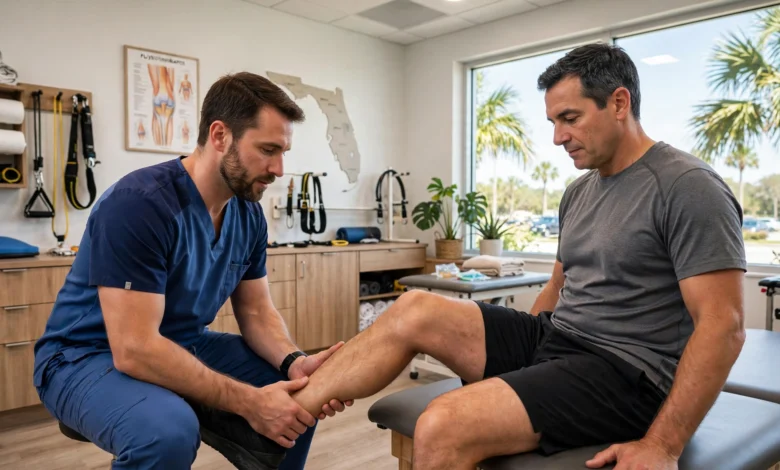
Finding a top physiotherapist in Florida shouldn’t feel like a guessing game, but for a lot of patients, it does. You’re dealing with pain, an injury, or a condition that’s limiting your daily life, and you want someone qualified handling your recovery. The problem is that Florida’s healthcare market is enormous, competitive, and, unfortunately, not immune to bad actors. Over the years, federal prosecutors have brought cases against clinic owners and even licensed therapists in this state for billing fraud, falsified records, and services that were never actually delivered. That’s not meant to scare you away from physical therapy. It’s meant to explain why picking the right provider matters more than most people realize.
This guide walks through what actually separates a qualified, ethical physiotherapist in Florida from someone cutting corners. You’ll learn which credentials to check, what questions to ask before your first appointment, how insurance billing should work, and what warning signs have shown up in real enforcement cases. The goal isn’t just to help you find someone convenient. It’s to help you find someone competent, licensed, and honest, because in an industry that touches your health and your wallet, both things matter.
By the end, you’ll have a practical framework for evaluating any clinic or therapist you’re considering, whether you’re recovering from surgery, managing chronic pain, or just trying to move better.
Why Choosing the Right Physiotherapist in Florida Actually Matters
Florida has one of the largest populations of Medicare beneficiaries in the country, and physical therapy is one of the most heavily billed outpatient services under that program. That combination has, at times, attracted fraud. It’s worth knowing this going in, not to make you paranoid, but so you know what to watch for.
The U.S. Department of Justice has prosecuted multiple Florida-based physical therapy cases over the years. In one, a Lakeland clinic owner pleaded guilty after his company billed Medicare and Medicaid for therapy sessions that patients never received, using falsified records and a therapist who wasn’t even properly enrolled as a provider. In another, a Fort Myers and Ocala-based outpatient provider fabricated medical records to support fraudulent claims, and Medicare ended up paying out more than a million dollars before the scheme was caught. A separate case involved a Florida man who ran a $28.3 million Medicare fraud operation across several physical therapy clinics, using stolen patient and physician information to generate fake billing (U.S. Department of Justice).
These aren’t isolated headlines from decades ago tucked away in an archive. They reflect a pattern that regulators still watch closely: clinics that prioritize billing volume over actual patient care. Most physiotherapists in Florida are honest professionals who genuinely want to help you recover. But the presence of these cases is exactly why doing a little homework before you book an appointment is worth the extra ten minutes.
What Makes a Physiotherapist in Florida Legitimate
Before you evaluate bedside manner or clinic amenities, start with the basics that actually protect you.


1. Active State License
Every physical therapist practicing in Florida must be licensed through the Florida Board of Physical Therapy Practice. You can verify any provider’s license status directly through the state’s official lookup tool (Florida Department of Health). This single step catches unlicensed practitioners and therapists whose licenses have been suspended or revoked. It takes about thirty seconds and it’s the most important check on this entire list.
2. Proper Educational Background
A licensed physiotherapist in Florida holds a Doctor of Physical Therapy (DPT) degree from an accredited program. Older practitioners may hold a master’s degree if they were licensed before the DPT became the standard, which is fine, but the license itself should still be current and verifiable.
3. Specialized Board Certifications
Many top-tier therapists pursue additional board certification through the American Board of Physical Therapy Specialties in areas like orthopedics, sports, neurology, or geriatrics. This isn’t required to practice, but it signals a deeper level of training in a specific area, which matters if your condition is complex.
4. Membership in Professional Associations
Involvement with a group like the American Physical Therapy Association (APTA) usually means the therapist stays current with best practices and continuing education requirements (American Physical Therapy Association). It’s not a guarantee of quality, but it’s a reasonable positive signal.
Red Flags That Should Make You Pause
Learning from past fraud cases in Florida gives you a practical checklist of warning signs. If you notice any of the following, slow down and ask questions.
- Pressure to sign up for long treatment packages before an actual evaluation. Legitimate care starts with an assessment, not a sales pitch.
- Billing for services you didn’t receive. Always review your insurance statements (called an Explanation of Benefits) against what actually happened during your visit.
- A therapist who is rarely present. Some fraudulent clinics used unlicensed staff or aides to perform treatment while billing under a licensed therapist’s name. You should know who is actually treating you.
- Vague answers about credentials or licensing. A legitimate provider will never hesitate to confirm their license number or specialty training.
- Group sessions billed as individual therapy. This was a specific tactic used in one of the Lakeland fraud cases mentioned earlier, and it inflates costs while reducing the actual attention you receive.
- Unusual urgency around personal or insurance information. Be cautious with any clinic that wants extensive personal data before you’ve even had a consultation.
None of these signs alone means something is wrong. But if you see two or three together, it’s worth finding a different provider.
How to Actually Evaluate a Physiotherapist in Florida
Once you’ve confirmed licensing, move on to the practical side of choosing someone who’s actually a good fit for your condition and your schedule.
1. Match Their Specialty to Your Condition
Physical therapy is broad. A physiotherapist in Florida who specializes in post-surgical orthopedic recovery isn’t necessarily the right fit for someone dealing with vestibular issues, chronic pain, or pediatric development delays. Ask directly what percentage of their caseload matches your condition.
2. Ask About Treatment Approach
A good therapist should be able to explain, in plain language, what your treatment plan will look like, roughly how many sessions they expect you’ll need, and how they’ll measure progress. Be wary of anyone who can’t give you a reasonably specific answer after your first evaluation.
3. Check Reviews, But Read Them Carefully
Online reviews are useful, but they’re easy to manipulate. Look for reviews that mention specific details about the treatment process rather than generic praise. A pattern of complaints about billing surprises or rushed sessions is more telling than a five-star average.
4. Confirm Insurance and Billing Transparency Upfront
Ask exactly what your insurance covers, what your copay will be, and how many visits are authorized before treatment starts. A trustworthy clinic will put this in writing. This single step also protects you from the kind of billing discrepancies that showed up repeatedly in Florida’s past fraud cases.
5. Visit the Clinic Before Committing, If Possible
A quick in-person visit tells you a lot: is the space clean and appropriately equipped, do you see the same therapist consistently, and does staff seem attentive rather than rushed between multiple patients at once.
Questions Worth Asking During Your First Visit
Bring a short list of questions to your initial consultation. Here’s a solid starting point:
- Are you licensed in the state of Florida, and can I see your license number?
- What is your experience treating my specific condition?
- Will I see the same therapist at every visit, or will care be handed off to assistants?
- What does a typical treatment plan look like for someone with my diagnosis?
- How will my insurance be billed, and what am I responsible for out of pocket?
- How do you track and measure progress over time?
- What happens if I’m not improving after a few weeks?
A confident, licensed physiotherapist in Florida will answer all of these without hesitation.
Where to Find Quality Physical Therapy Across Florida
Florida’s major metro areas each have a deep bench of qualified physical therapy providers, though the process of vetting them is the same no matter where you live.
Miami and South Florida: A large, diverse patient population means a wide range of specialties, from sports medicine clinics serving athletes to geriatric-focused practices near retirement communities.
Orlando and Central Florida: Home to several hospital-affiliated outpatient centers, which can be a good option if you want physical therapy connected to a broader healthcare system, particularly after surgery.
Tampa Bay: Known for a strong concentration of orthopedic and sports rehabilitation clinics, partly due to the region’s active population and professional sports presence.
Jacksonville: A growing hub for both traditional outpatient clinics and newer telehealth-integrated practices.
Wherever you’re located, the vetting process outlined above applies equally. Location convenience matters, but it should never outweigh licensing and credentials.
The Role of Telehealth Physical Therapy in Florida
Telehealth physical therapy has grown significantly since 2020, and Florida allows licensed therapists to conduct virtual visits for appropriate conditions, such as follow-up sessions, home exercise program adjustments, or patients in rural areas with limited access to in-person clinics. If a provider offers telehealth, confirm the same thing you would for in-person care: they must hold an active Florida license to legally treat you, even remotely. Virtual care works well as a supplement to hands-on treatment, but it isn’t a full substitute for conditions requiring manual therapy or hands-on assessment.
Understanding Costs and Insurance for Physical Therapy in Florida
Cost is often the deciding factor for patients, so it’s worth understanding how pricing typically works.
- With insurance: Most PPO and HMO plans cover physical therapy, usually with a copay per visit ranging from $20 to $60, though this varies widely by plan.
- Medicare: Covers medically necessary physical therapy, but annual therapy thresholds exist, and providers must document medical necessity properly, which is exactly the documentation that fraudulent clinics have falsified in the past.
- Out-of-pocket or cash-based clinics: Some providers operate outside insurance networks entirely, often at $75 to $150 per session, which can offer more one-on-one time but requires you to confirm pricing before starting treatment.
Always request a written estimate of costs before beginning a treatment plan, and keep copies of your insurance statements to cross-check against what you’re actually billed.
A Quick Checklist Before You Book
Before committing to any physiotherapist in Florida, run through this short list:
- ✅ License verified through the Florida Department of Health
- ✅ Clear answers about their specialty and experience with your condition
- ✅ Transparent, written explanation of costs and insurance coverage
- ✅ Consistent therapist assigned to your care, not a rotating cast of aides
- ✅ No pressure to commit to a long package before an actual evaluation
- ✅ Positive reviews that mention specific, credible details
If a provider checks every box here, you’re in good hands.
Conclusion
Choosing a top physiotherapist in Florida comes down to a mix of due diligence and common sense. Verify the license, ask direct questions, understand exactly how you’ll be billed, and pay attention if something feels rushed or vague. Florida’s healthcare system includes some of the best rehabilitation specialists in the country, but its size and Medicare volume have also made it a target for fraud in the past, from falsified records to billing for care that was never delivered. Knowing that history isn’t about fear. It’s about making sure you walk into your first appointment informed, so your recovery is handled by someone genuinely qualified to help you get better.